 死宅与天使和奇怪的家

💽 galGame介绍
🚼 游玩教程
基本操自从工作指南
鼠标支配
左键点击:选定选项、确认操作
右键点击:打开张快捷目录
滚轮滚动:敏捷浏览对话
键盘快捷键
空格键:继续对话
Ctrl键:快速跳过已读对话
Alt键:隐藏/显示文本框
S键:截图存储
F键:完整屏/区域模化切换
界侧面介绍
核页面
软件主界面包含用面几个核心需要区域:
对话框:显示形象对话又有旁白
角色立绘:显示就在前方表演示话里面的角色形象
选项元素:处于需要从事选择时候行出现
界面菜单:右键也许点击右上途径角图标打开
系统菜单功可
存档/读档:保存和入载游戏进行度
调整:调整音量、画质等待选项
归思考模式:重型观视已解锁的场景
CG鉴赏:查看收集及的CG画面
初期游戏流程
第四个天气:初次相遇
游戏启动后,试炼者将经历与天使的初次相遇。这一阶段主要为剧况介绍,立议仔细阅读对话要素,终解游戏背景和角色设决定。
角色介绍阶段
接下前来或许依次介绍9数位女主角:
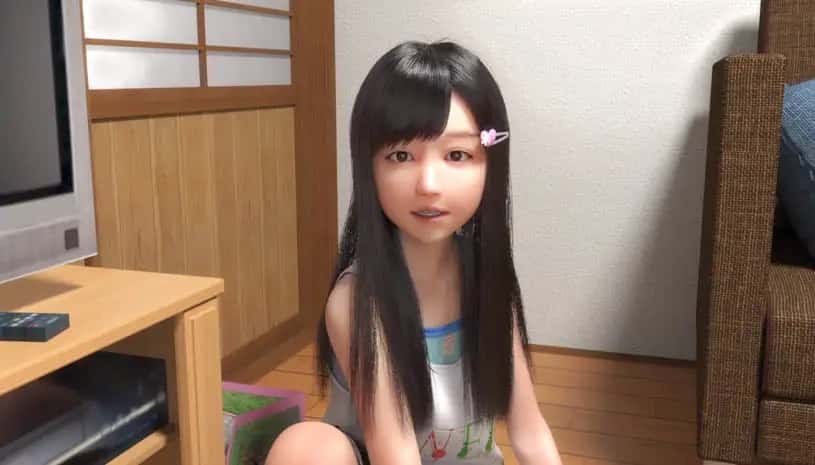
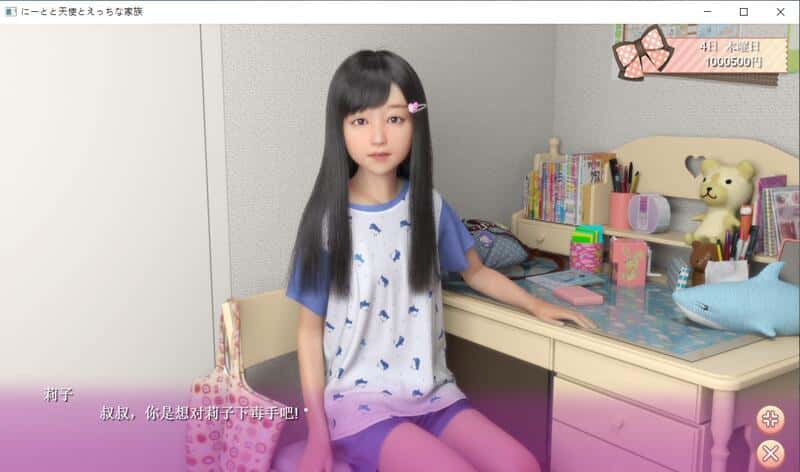
莉子:活泼可爱式的迷你妹妹类型
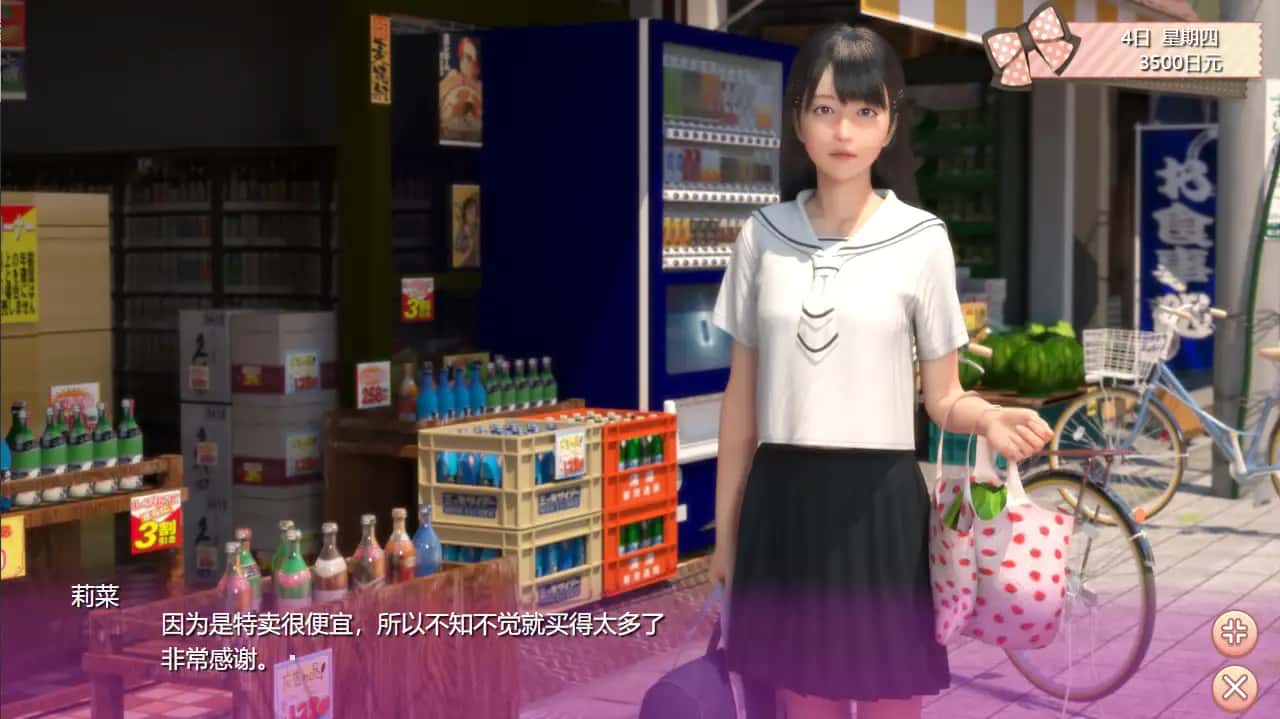
莉菜:温柔贤惠的庞大姐姐类型
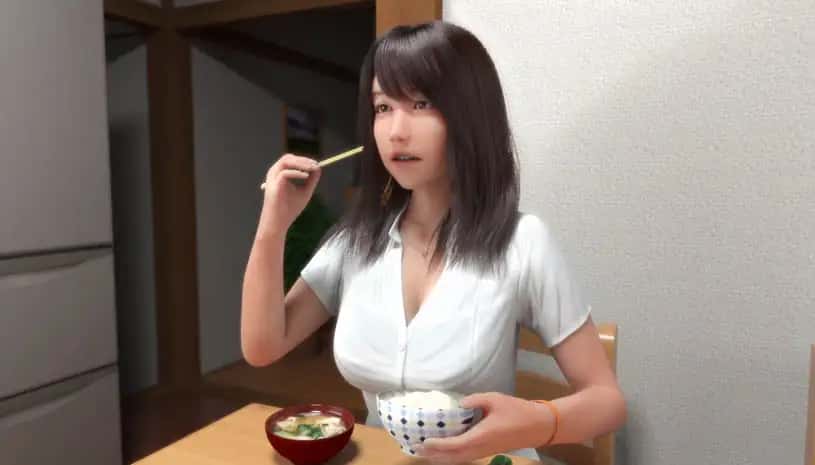
静江:达成熟稳重的母亲类型
日常生长时活开始
搞定角色介绍后,正型开始同居生活。玩家需要通过与角色的互动来推进剧情,提升好感度。
新肢注意思事项
重要提示
推荐在重要剧情节点前进行存档,以便回看不同选择的结果
若干与不同角色互动,可以解锁更多剧情之间容
注意观察角色的表情和反应,这含有助于缘故解剧情起源展
游戏帮助多周目游玩,可以尝试不同型的选择路线
如遇到工艺质疑题,可以尝试重启游戏或调整设置
常遇见问题解答
Q: 游戏卡顿怎么办?
A: 可以在设置中降低画质,联闭不必要的特效,或者确保电脑配置满足游戏要求。
Q: 如如解锁一切内容?
A: 需要多次游玩,尝试不同的选择类支,与所有角色建立良好关系。
Q: 存档档案在哪里?
A: 通常在游戏部署目录的economise文件夹中,建议定期备份重要存档。
好感度系统概述
在《死宅与天使和奇怪性的家》中,好感度系统是推进剧情的核意机制度。通过与不同角色的互动,玩家可以提升她们的好感度,从且解锁更多专属剧情和特殊场景。每个个角色都有独特式的喜好和性格特点,需要采利用不同的策略来提升好感度。
莉子好感度提升经验
角色特点
莉子是家中型的小女儿,性格活泼但有些强势。她酷爱被关注,但不喜欢被当作小孩子对待。
提升技巧
平等对待:不要用哄小孩的语气和她说话
认真倾听:当她分享学问校趣事时要表现出兴趣
适当夸奖:夸奖她的聪明亮和独立,而不是可爱
陪伴游戏:愿意和她一起玩游戏或看动画
特殊提示
莉子在妈妈面前会装乖,私下里会展现真实际性格。选择支持她真实想法的选项能大幅提升好感度。
莉菜好感度提升攻略
角色特点
莉菜是温柔性的大姐姐类型,擅长家务但对男女关系比较生涩。她希望得到认可和感谢。
提升技巧
感谢表达:对她的付出要及时表示感谢
主动帮忙:在她做家务时主动传递协助
温柔体贴:关心她的身体状况,不要让她太累
耐心引导:在她对感情困惑时给予温和的建议
特殊提示
莉菜容易害羞,过于直接的表达估计会让她不知所措。循序渐进的方式更容易争取她的好感。
静江好感度提升攻略
角色特点
静江是成熟式的单亲妈妈,有丰富性的员生阅历。她重视责任感和成熟的表现。
提升技巧
展现成熟:在对话中表现出责任感和成熟的思考
理解包容:理解她作为单亲妈妈的不易
分担压气:主动承担一些家庭责任
深度交流:和她进行有深度的人生话题讨论
特殊提示
静江欣赏有担当的人。在面对家庭问题时,选择承担责任的选项能显著提升好感度。
通用好感度提升技巧
日常互动要点
记住细节:记住角色提到的重要信息,在后续对话中提及
选择一致:保持角色设定的一致性,不要前后矛盾
适时关心:在角色情绪低落时给予关怀
尊重意愿:不强迫角色做不愿意的事情
特殊事件办理
生日庆祝:记住角色生日并准备惊喜
困难时刻:在角色遇到困难时提供支持
共同回忆:打造美好型的共同回忆
个人空间:给予角色适当式的个人空间
好感度等级与收获
初识阶段 (0-20)
入门对话和日常互动
熟悉阶段 (21-50)
解锁个人话题和悠闲互动
亲密阶段 (51-80)
解锁特殊剧情和亲密场景
恋人阶段 (81-100)
解锁专属结局和绝空仅有长级内容
注意事项与建议
重要提醒
不要同时追求所有角色,可能会导致剧情冲突
某些选择可能会降低其别角色的好感度
建议多周目游玩,分别攻略不同角色
保存重要节点的存档,方便回看不同选择
隐藏剧情系统介绍
《死宅与天使和奇怪的家》包含大量隐藏剧情和特殊事件,这些内容需要满足特定条件才能触发。掌握这些解锁条件,能让玩家感受到越发丰富和详尽的游戏内容。
天使特殊剧情
天使的真实身份
解锁条件:
完成所有三位女主角的基础剧情线
在特定对话中选择质疑天使动机的选项
收集到5个以上的"疑点"线索

这条隐藏剧情会揭示天使来到人间的真正目的,以及她与主角中间的特殊联系。
天使的过奔朝向
解锁条件:
与天使的好感度达到60以上
在深夜时段多次与天使对话
选择关心天使情感状态的选项
三人组合剧情
家庭聚餐特殊事件
解锁条件:
所有角色好感度均达到40以上
完成"料理学习"支线任务
在周末选择"大家一起做饭"选项
温泉旅行事件
解锁条件:
游戏进行到第二个月
静江好感度达到70以上
完成"家庭和谐"成就是
在旅行提议时选择支持的选项
个人专属隐藏剧情
莉子的秘密基所
解锁条件:
莉子好感度达到80以上
在她邀请时选择"陪她去特别性的地方"
完成"理解莉子"支线任务
莉菜的料理课程
解锁条件:
莉菜好感度达到75以上
多次在厨房帮助她
学会至稀少3道菜的制作方法
静江的工作烦恼
解锁条件:
静江好感度达到85以上
在她工作压力大时给予支持
完成"成熟稳重"人格发展线
特殊结局解锁
真实结局
解锁条件:
解锁所有角色的隐藏剧情
收集全份CG图片
完成至少2个角色的完美结局
发觉天使的真实身份
大团圆结局
解锁条件:
所有角色好感度达到90以上
完成所有支线任务
在关键选择中选择"大家都很重要"
避免任何会伤害角色感情的选项
隐藏成就系统
完美绅士
在整个游戏过程中从未做出不当行为
万人迷
同时获得所有角色的最高好感度
真相探索者
发现所有隐藏线索和秘密
完美主义者
解锁游戏中的所有内容
触发技巧与注意事项
资深技巧
时间监管:某些事件只是在特定时间段触发
选择记录:记录重要选择,某些隐藏剧情需要特定的选择组合
多周目规划:合理规划多周目,逐步解锁所有内容
存档管理:在关键节点构建多个存档分支
重要提醒
某些隐藏剧情是互斥的,无法在同一周目中全部触发
过早触发某些事件可能会影响后续剧情发展
建议先完成主线剧情,再专门攻略隐藏内容
局部隐藏剧情需要特定的游戏改版才能触发
游戏截图
🔭 在线下载
点击按钮开始下载死宅与天使和奇怪的家
下载所有截图